

Three Years After the Poison Cloud: The Town America Left Behind
The disaster didn’t end. The coverage did.

Three years after East Palestine, the story most of the country has chosen to forget is not really about a train. It’s about what happens in America when an industrial disaster lands on an ordinary town, detonates fear in the lives of ordinary families, and then slowly gets absorbed into the machinery of litigation, public relations, regulatory process, and managed memory. The derailment happened on February 3, 2023. The evacuation zone swallowed roughly 2,000 residents. Five tank cars carrying vinyl chloride were later intentionally vented and burned. And even now, in March 2026, the town is still living in the long shadow of that week.
What stands out, looking back, is how quickly the emergency gave way to the language of administration. First, there was fire, smoke, fear, coughing, rashes, nausea, headaches, dead fish, and parents wondering what their children had breathed. Then came the settlements, the consent decrees, the press conferences, the cost recovery, the consultants, the monitoring plans, the expert reviews, and the legal distinctions that always seem to arrive right on time when human suffering must be translated into categories. That is the real American after story. Disaster is immediate; the process is endless. And the process has a way of making the public feel that something has been handled when, in fact, many of the most important questions have simply been deferred.
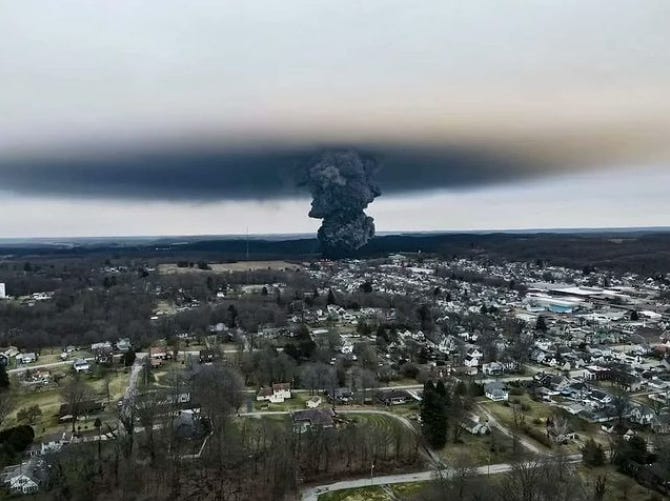
From February 6, 2023, the day officials carried out the controlled “vent and burn”
The official record now makes one point painfully clear. The National Transportation Safety Board concluded that the derailment was caused by an overheated wheel bearing that separated, and it also concluded that the vent and burn procedure was not necessary to prevent a polymerization-induced tank rupture. More bluntly, the NTSB said there was sufficient information and expertise available at the time to conclude that the vent and burn was unnecessary, and that the decision was made without knowledge of dissenting opinions and evidence indicating polymerization was not occurring.
For the people of East Palestine, that finding means the most iconic image of the disaster, the black plume that turned a railroad wreck into a national trauma, was not merely a symbol of chaos. According to the federal agency charged with investigating the event, it was something that didn’t have to happen.
In a strange twist of timing, East Palestine had already been rehearsed in fiction. Just months before the derailment, the film White Noise was released. Based on the novel by Don DeLillo, the movie centers on a catastrophic train derailment that releases a toxic cloud over a small Ohio town, forcing evacuations and sending residents into a spiral of confusion, fear, and bureaucratic reassurances. Even more surreal, portions of the film were shot in eastern Ohio, and local residents served as extras in scenes depicting the evacuation. When the real derailment happened in February 2023, many people in the region were left with the unsettling feeling that something they had only recently watched on screen had suddenly become real life.
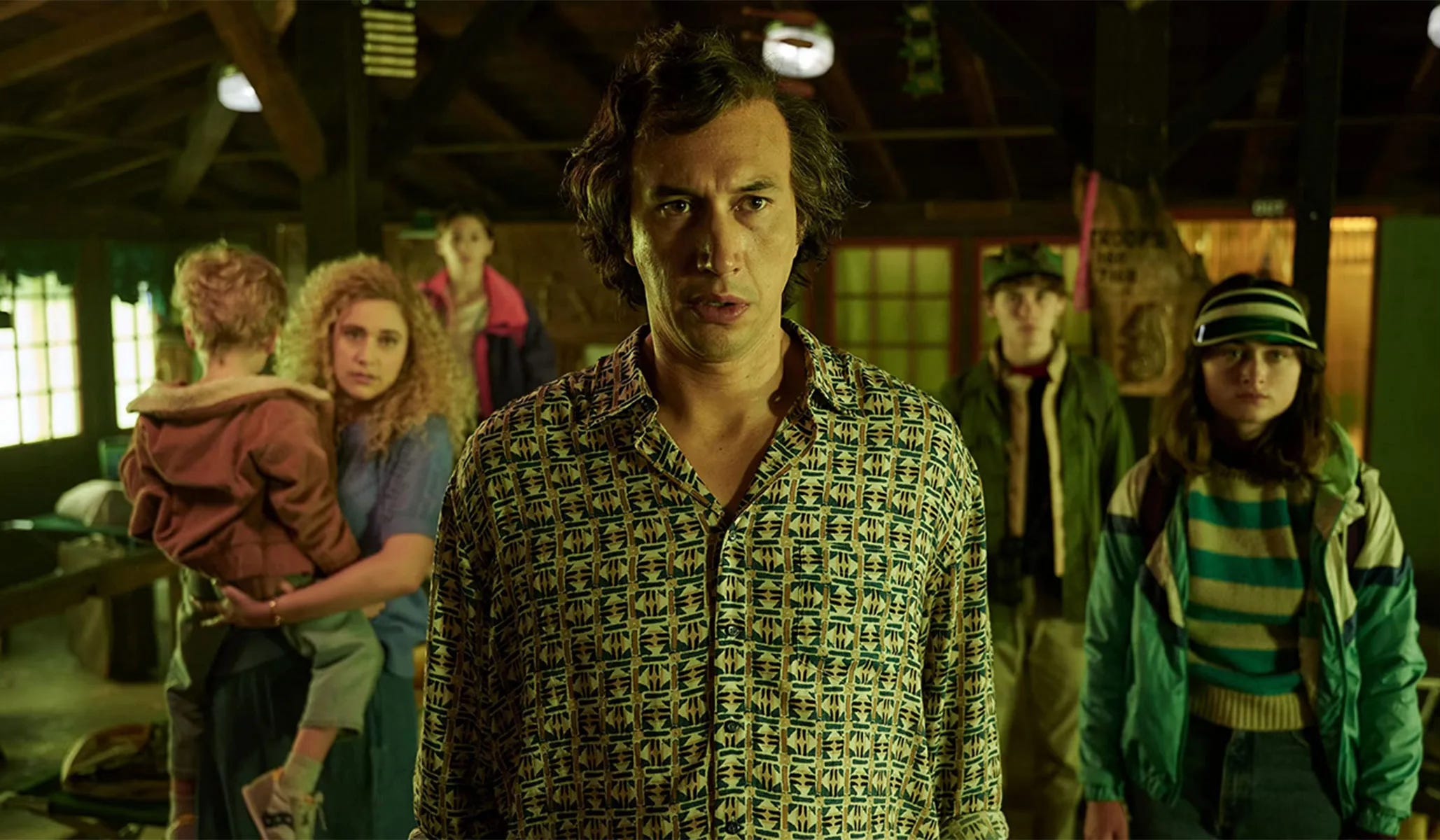
From the 2022 Netflix film White Noise
What played out on screen as fiction suddenly had a real counterpart in eastern Ohio. The towering plume rising over East Palestine quickly became the defining image of the disaster. It dominated television coverage, justified the evacuation orders, and cemented the event in the national consciousness. Yet the federal investigation that followed would later conclude that the catastrophic explosion officials feared was unlikely to occur. In hindsight, the image that came to symbolize the disaster was the result of a decision investigators say did not have to be made.
If you recall, in March 2024, I went there as a journalist. I saw the physical town behind the national headline. East Palestine is not an abstraction; it’s one of those places that elite America notices only when something explodes. Then the cameras leave, the law firms stay, and the contractors keep billing. A town like that can feel, all at once, overstudied and unseen. You can walk its streets and sense the split screen: the ordinary texture of small town life still trying to stand upright, and the invisible burden hanging over it, the question no settlement brochure can answer cleanly, which is whether the people who live there will be paying for this physically long after everyone else has moved on.
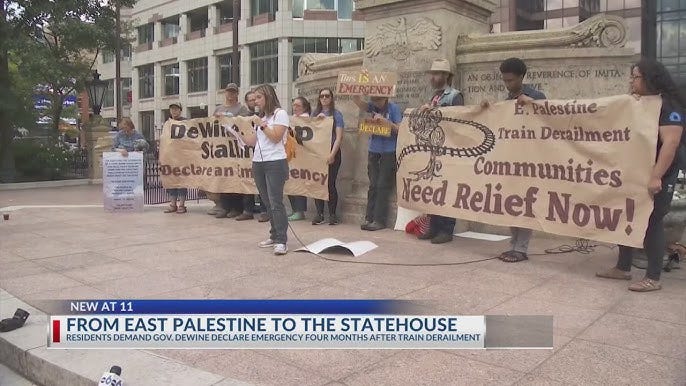
The settlement itself tells another part of the story. When the class-action agreement was approved, tens of thousands of residents filed claims related to the derailment. But buried in the structure of the settlement was a familiar reality of disaster litigation: the attorneys representing the class were entitled to roughly forty percent of the recovery. In other words, before many residents ever saw a dollar for property loss, medical concerns, or disruption to their lives, a large portion of the compensation had already been spoken for by the legal system surrounding the case.
In June 2025, NIH announced a five-year, $10 million (cha-ching) research initiative to assess long-term health outcomes from the derailment. In February 2026, NIH opened a dedicated East Palestine Health Research Program Office and said residents had reported headaches and respiratory, skin, and eye irritation, along with concerns about longer-term maternal, child, psychological, immunological, respiratory, and cardiovascular effects. Governments don’t launch multi-year research programs three years after a disaster when everything is settled and understood. They do it because it is not settled and not understood.
The emerging medical literature points in the same direction. A 2025 CDC indexed paper on first responders found that among 339 completed surveys, 79 percent reported inhaling, touching, or swallowing potentially harmful substances, 75 percent reported not using a face mask or respirator while working, and nearly half reported at least one new or worsening physical symptom after the incident response. East Palestine residents have every reason to insist that their symptoms not be dismissed simply because the “science” takes years to develop.
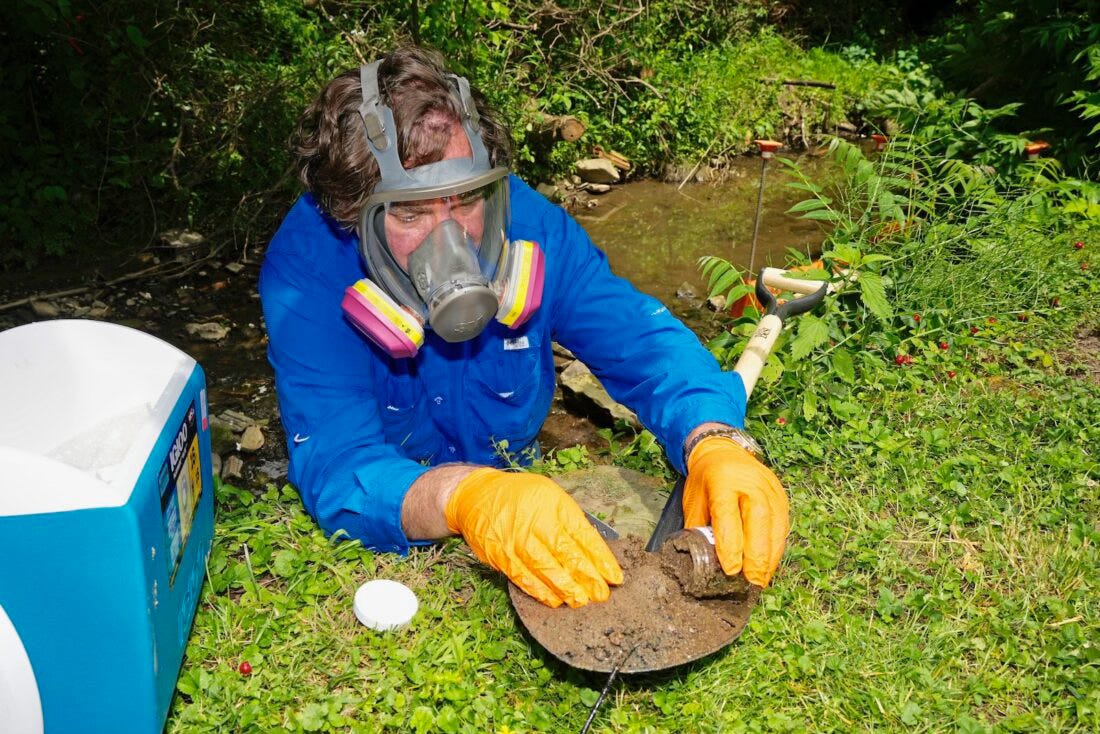
That’s why the settlement structure has angered so many people. The class action settlement approved in September 2024 was valued at $600 million, with roughly 55,000 claims filed. But AP reported that residents within 10 miles could receive up to $25,000 if they gave up the right to sue later should someone develop cancer or another serious health condition. The settlement FAQ also plainly states that there is no medical monitoring in the settlement because the court determined that such a program is not available under Ohio law. A separate federal consent decree was supposed to address part of that gap, including a $25 million health care fund for 20 years of medical exams and about $30 million for long-term water monitoring. But that split is exactly the kind of thing that drives public rage. The legal system can say hundreds of millions of dollars have been committed, while residents still hear the same practical answer when they ask who will pay for years of testing, specialist visits, anxiety, and uncertainty: not this part, not that way, not yet.
This is how lawyers get rich in disaster America without ever having to look obscene doing it. Everything is technically framed as service, advocacy, process, or resolution. The numbers get bigger, the press releases get more polished, but an ordinary person sitting with unexplained symptoms does not live inside a press release. These people live inside the cost of another appointment, another lab, another drive, another night lying awake, wondering whether a headache is just a headache. That’s the distance between a settlement headline and a human life. It is also the distance between legal victory and justice.
Meanwhile, the apparatus around the disaster keeps expanding. Norfolk Southern’s federal settlement exceeded $310 million. The railroad has said East Palestine-related costs have topped $1 billion. In other words, the machinery has been well funded. Cleanup firms, consultants, and lawyers have all been paid. The railroad kept writing checks. Yet even with all that money moving, East Palestine still reached the three-year mark with NIH only then opening a dedicated health office, with some residents still challenging whether the compensation is adequate, and with allegations in 2025 lawsuits that deaths were linked to the derailment. Those allegations remain allegations, not adjudicated facts. But the fact that they exist this far into the story tells you all you need to know about how unresolved the human side remains.
Even now, the official story still contains reminders of how fragile public trust has become. EPA says cleanup and long-term monitoring continue, and as recently as March 2026, the agency disclosed that a subcontractor analyst had altered certain groundwater measurements from fall 2025 samples, though EPA also said the falsified data was caught, rejected, and not used for health or cleanup decisions. Maybe that reassurance is fully correct. Maybe it is. But after East Palestine, every disclosure like that lands in a different emotional register. In a town that has been told for years to trust the process, any breach in the chain of confidence feels larger than the technical explanation attached to it.
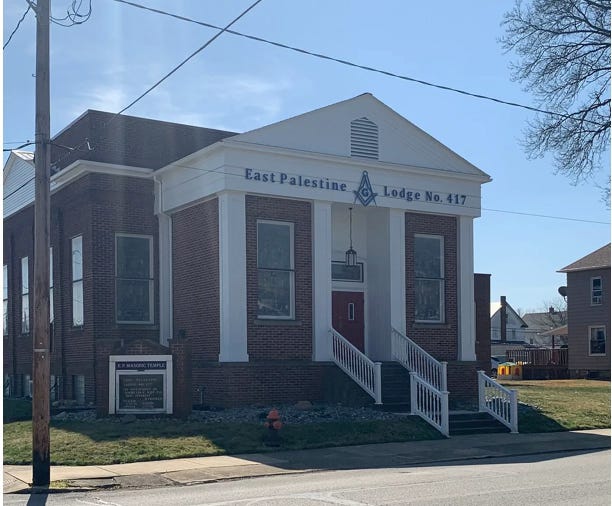
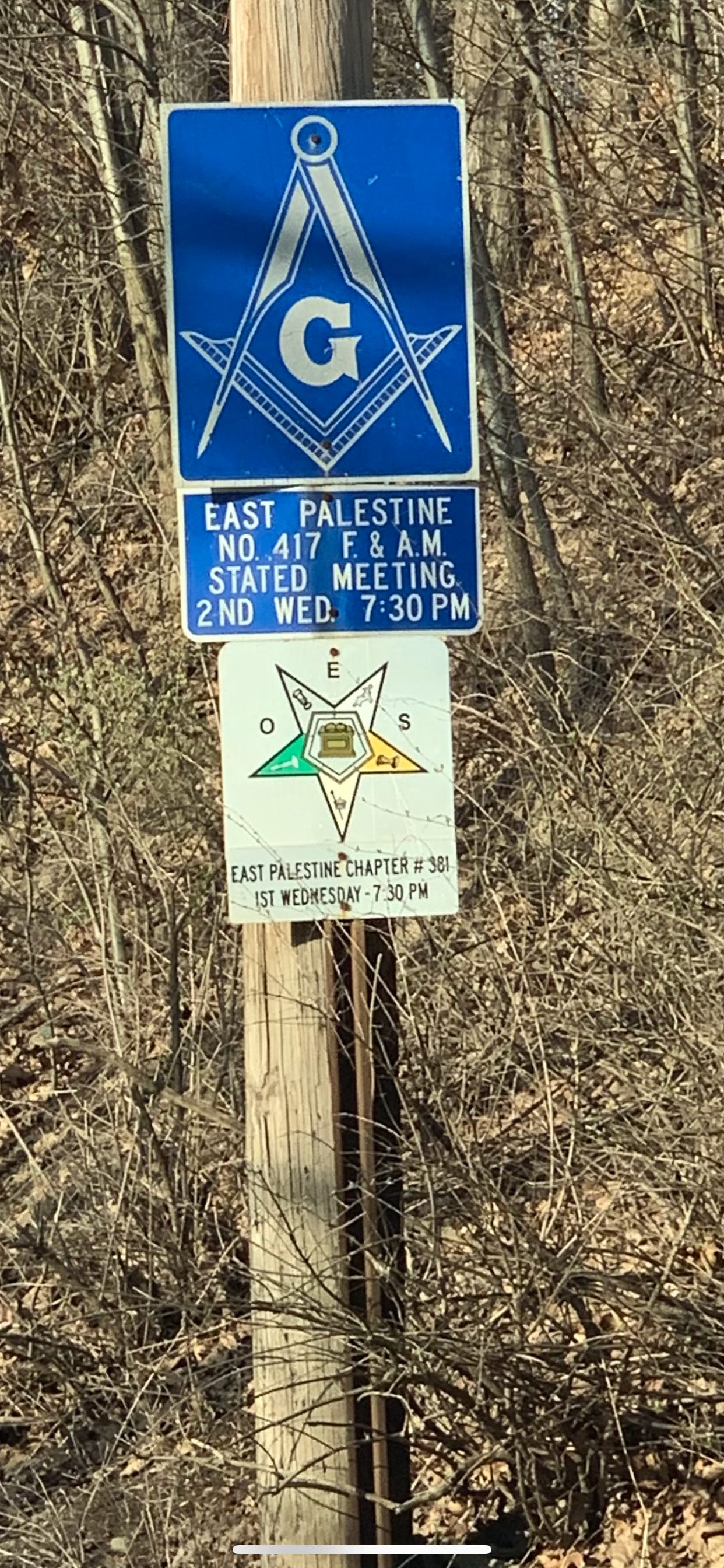
I should mention one other thing that I found intriguing on my visit to East Palestine. That town also has another institution that predates the derailment by generations. Just off the main stretch of town stands East Palestine Lodge No. 417 F. & A.M., a Freemasonic lodge chartered on October 21, 1868, meaning the lodge has been part of the town for more than 150 years. The lodge traces its founding to local men who petitioned the Grand Lodge of Ohio in 1868 to establish a Masonic presence in the community. Like many lodges across the United States, it’s connected to a wider fraternity whose membership has historically included prominent figures such as George Washington, Harry S. Truman, and Franklin D. Roosevelt. The building itself sits quietly along West Grant Street, a reminder that long before the derailment brought federal agencies, corporate lawyers, and hazmat teams into town, East Palestine was already a community shaped by secret institutions that had been there for generations.
East Palestine shouldn’t be remembered as a railroad accident that produced a burst of outrage and a stack of settlements. It should be remembered as a case study in how modern America metabolizes harm. A working town absorbs the blast, then the experts arrive, and the money starts moving. Institutions are quick to defend themselves at the cost of the victims. Sadly, over time, the public loses interest, and the burden remains local. The people most affected are left trying, year after year, to prove that what happened to them did not end when the cameras left town.
That’s why it’s important to remember and share. Not as a memorial date for a closed chapter, but as a test of whether this country is capable of honoring the slow aftermath of disaster. Not the spectacle, the aftermath. Not the plume, the clinic. Not the settlement total, the family budget. Not the corporate statement, the persistent cough. East Palestine is what happens when the ordinary person collides with a system built to convert injury into paperwork. The town deserved better than that, and it deserves better now.
Let the people of East Palestine know that they are not forgotten.
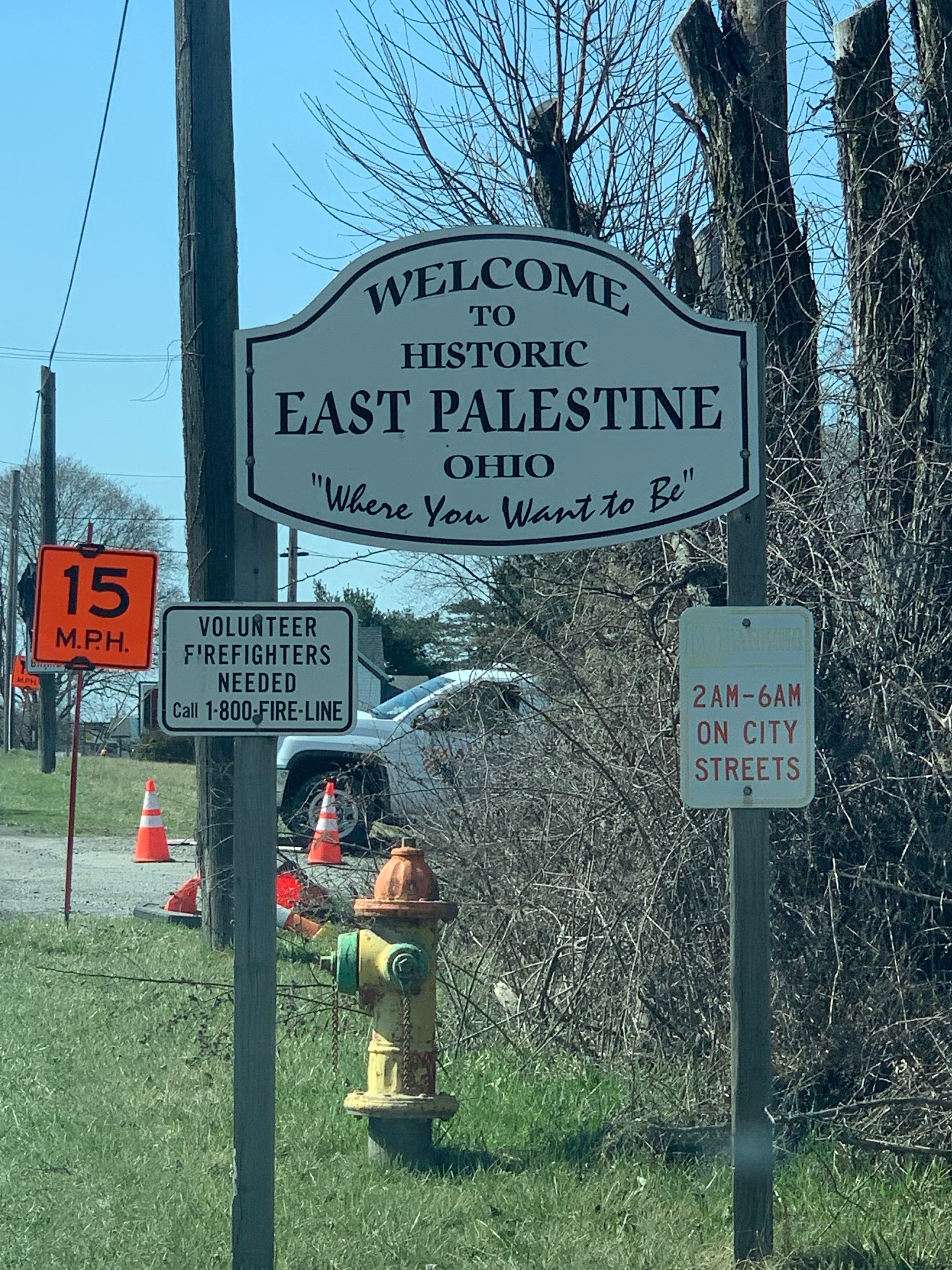
Below are a few of the pics I took while in town in March, 2024
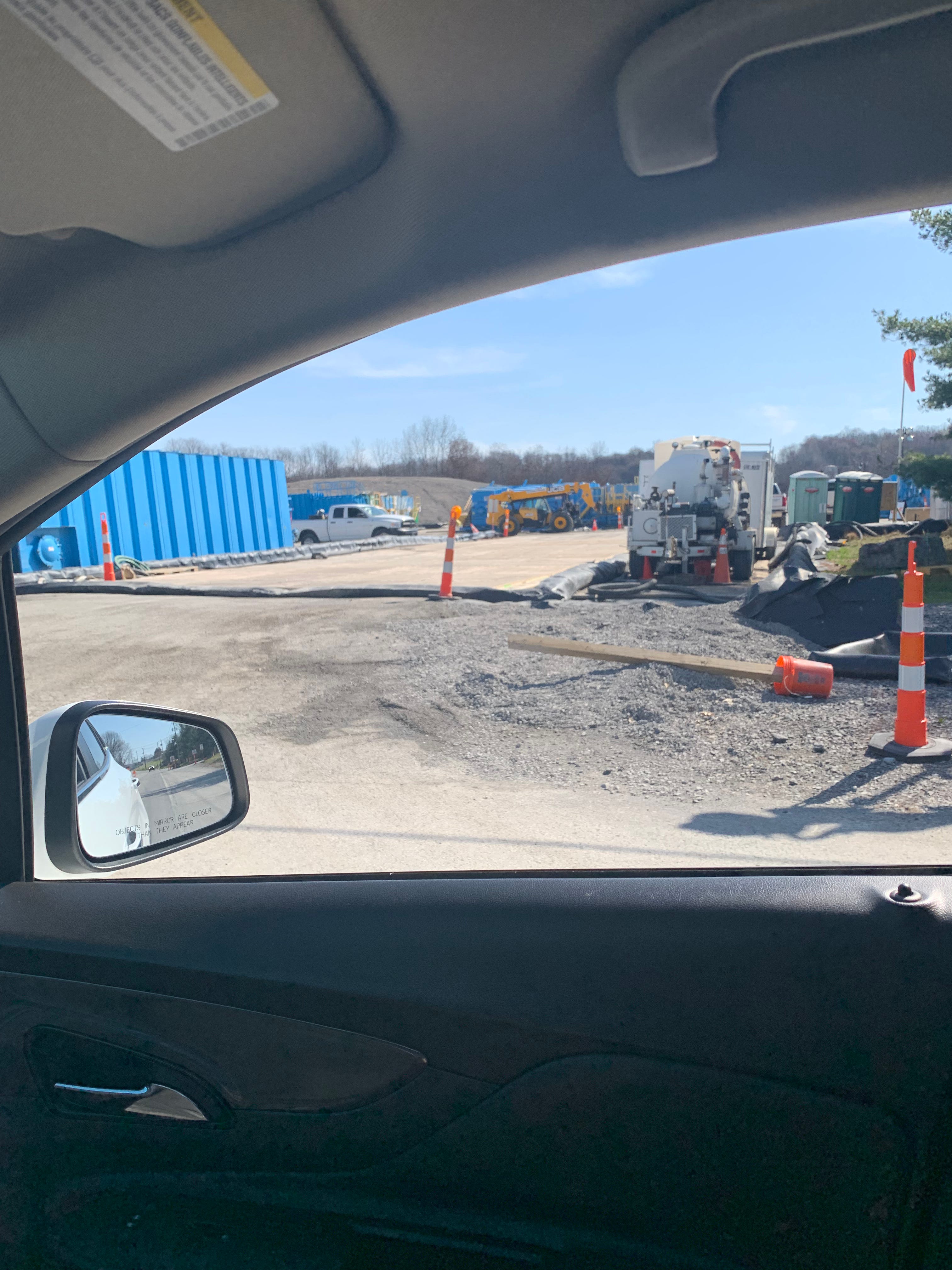
Fifty meters behind that white truck is where the accident happened, literally a few yards away from the Pennsylvania line. Coincidence?