

The Monster They Fed
How the War on Terror Devastated Ancient Christian Communities

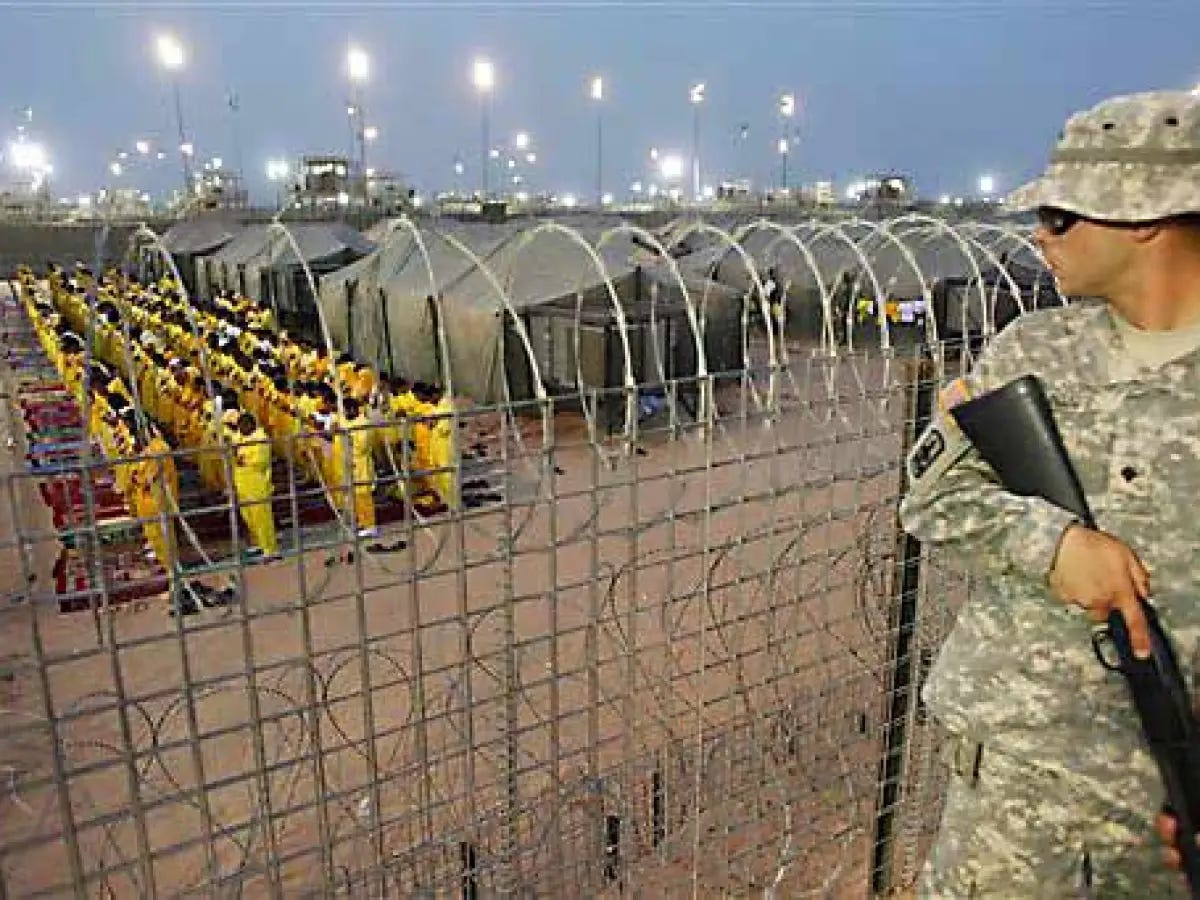
In 2010 to 2011, I was part of the effort that closed Camp Bucca in Iraq (3rd BCT, 4th ID). At the time, most Americans had never heard the name Abu Bakr al-Baghdadi. ISIS didn’t yet dominate headlines, and the caliphate had not been declared. The black flags hadn’t swept across Iraq and Syria. We were told the war was winding down, progress was being made, and stability was on the horizon. Looking back now, it’s impossible not to recognize that something very different was taking shape beneath the surface.
Years later, researchers, military officials, journalists, and even former ISIS members would describe Camp Bucca as one of the most important incubators in the organization’s history. Future ISIS leaders, jihadist ideologues, former Baath Party officers, military planners, and intelligence operatives found themselves confined together in the same detention system. Relationships were formed, trust was built, and networks were established. Men who might never have crossed paths on the outside suddenly had years to exchange ideas, identify allies, and prepare for the future.
The 2003 invasion of Iraq shattered the existing government, dismantled the military, and left behind a power vacuum that extremists were eager to fill. The removal of Saddam Hussein didn’t bring peace. It unleashed forces that spread across the region like a wildfire. Entire institutions disappeared overnight. Armed men with military training, intelligence experience, and deep grievances found themselves without a country, without a purpose, and without a future. ISIS would eventually give them all three.
By 2012, American intelligence reports were already warning that a radical Salafist state could emerge in eastern Syria and western Iraq. The warning was not hidden; it was written down, and circulated. Yet the war in Syria continued to pour fuel on the fire. Weapons, money, and foreign fighters flowed into the battlefield. Governments insisted they were supporting “moderate rebels,” but the reality on the ground was far messier. Time and again, weapons ended up in the hands of extremists. Time and again, supposedly separate factions cooperated, defected, merged, or shared resources. The battlefield became a revolving door where today’s ally could become tomorrow’s terrorist.
Then came ISIS.
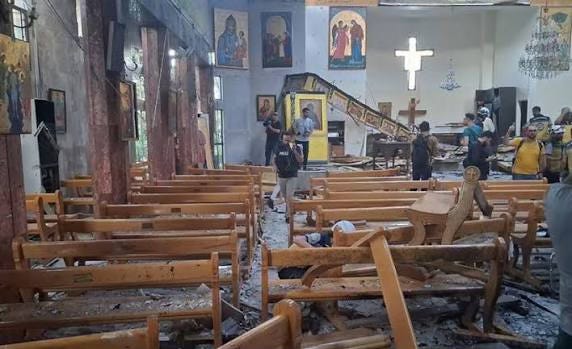
The organization exploded onto the world stage with shocking speed. Entire Iraqi divisions collapsed before it. American-made weapons fell into its hands. Oil fields generated revenue. Convoys moved openly across deserts. Cities and provinces fell. Ancient communities that had survived for nearly two thousand years suddenly found themselves marked for destruction.
The Christians of Syria and Iraq paid a price that few people in the West seem willing to discuss. Before the Syrian war, Christians numbered in the millions. Their churches traced their roots to the earliest centuries of the faith. They spoke languages connected to the world of Christ and the apostles. Their presence predated Islam by hundreds of years. Today, many of those communities have been emptied. Families have fled, churches were destroyed, and entire villages vanished. Some regions that once rang with church bells now stand nearly silent.
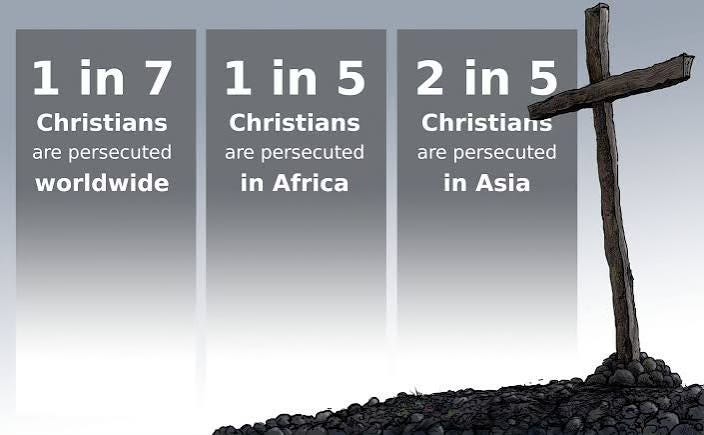
The numbers tell the story they do not want told. Before the Syrian war, Christians made up roughly ten percent of Syria’s population. Depending on the estimate, that meant somewhere around 1.5 to 2.5 million Christians living in one of the oldest Christian lands on earth. Today, some estimates place the remaining Christian population around 200,000, or about two percent of the country. Let that sink in.
This was not a small decline. This was a civilizational collapse. A Christian presence that had endured since the earliest centuries of the Church was reduced by nearly eighty percent in little more than a decade.
Iraq tells the same story. Before the 2003 invasion, Iraq had roughly 1.4 to 1.5 million Christians. Today, many estimates place that number around 150,000 to 250,000. That means the war on terror did not simply fail to protect Christians. It helped create the conditions under which ancient Christian communities were gutted, scattered, and nearly erased. The same governments that claimed to be bringing freedom left behind a graveyard of churches, refugees, widows, orphans, and empty villages.
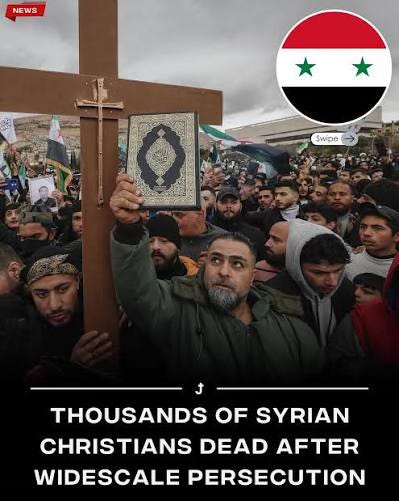
So when people talk about ISIS as if it appeared out of thin air, they are insulting our intelligence. Camp Bucca produced connections, and the Iraq invasion produced the groundwork. The Syrian war produced the battlefield. Weapons, money, foreign fighters, and intelligence games poured into the region. Then ISIS rose, and Christians disappeared by the millions. Those are not statistics. Those are ancient Christian communities disappearing before our eyes.
The same governments that claimed to be fighting terrorism presided over policies that transformed the Middle East into fertile ground for its growth. The same intelligence agencies that boast of their ability to monitor communications across continents somehow failed to stop truck convoys, weapons transfers, foreign fighter pipelines, and terrorist financing networks operating in plain sight. We are asked to believe that the most sophisticated intelligence apparatus in human history was repeatedly surprised by events it had already predicted.
That requires more faith than many religions.
Regardless of how one explains ISIS's rise, the outcome remains the same. The organization became the perfect justification for endless military operations, endless spending, surveillance, intervention, and war. Every crisis produced another reason to stay. Every disaster created another mission. Every failure demanded more funding.
Meanwhile, the Christians were buried, displaced, or forgotten.
History often judges people not merely by what they did, but by what they allowed to happen. The record shows that intelligence agencies knew radical groups were growing. The record shows that governments continued policies that strengthened the battlefield where those groups thrived. The record shows that Christian communities were devastated. These are not theories; these are facts.
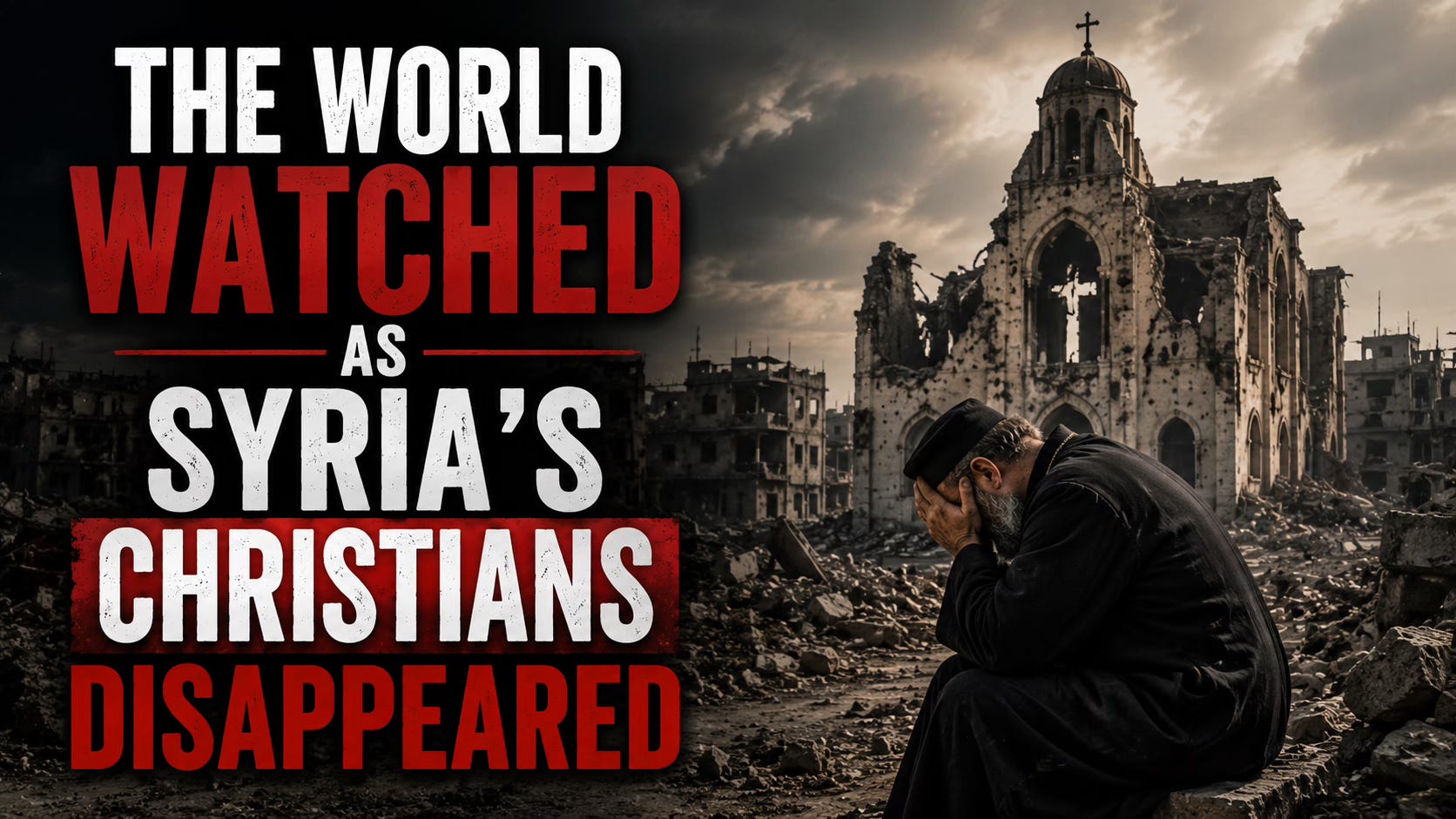
For years Americans were told that these wars were fought to bring freedom, security, and peace. The landscape left behind tells a different story. Cities lie in ruins, and millions remain displaced. Extremism spread far beyond the borders where it began. Ancient Christian populations were nearly erased. The architects of these policies moved on to new positions, conferences, consulting contracts, and television appearances. The families who lost everything did not.
The tragedy of Syria and Iraq is not merely that ISIS rose. The tragedy is that warning signs were ignored, predictable consequences were dismissed, and innocent people paid the price. Among those innocent people were some of the oldest Christian communities on earth. Their suffering should stand as a permanent indictment of every government, intelligence service, military planner, and political leader who helped create the conditions that made this catastrophe possible.
The blood of martyrs cries out louder than press releases. The ruins of ancient churches speak more honestly than government briefings. And the disappearance of millions of Christians from lands they inhabited since the days of the apostles is a truth too large, too painful, and too obvious to hide forever.
The world may forget Syria's Christians, but God has not. Politicians move on, wars end, and headlines disappear, yet the Lord sees every church that was destroyed, every family that was scattered, and every believer who suffered for the name of Christ. Scripture reminds us, "Precious in the sight of the LORD is the death of his saints" (Psalm 116:15). The martyrs beneath the heavenly altar still cry, "How long, O Lord, holy and true, dost thou not judge and avenge our blood?" (Revelation 6:10).
The rulers of this world may never answer for what they have done or allowed to happen, but no injustice escapes the eyes of God. One day every hidden thing will be revealed, every deed brought into judgment, and every lie exposed. Until that day, Christians must remember, pray, and refuse to look away. "Be thou faithful unto death, and I will give thee a crown of life" (Revelation 2:10). Measure the events of our time not by government reports, media narratives, or political talking points, but by His Word.
And that’s really the globalists’ goal, to eliminate Christianity, except maybe those under the Darby/Scofield deception (and even then).
Excellent history. To see where we are going, we must visit the past no matter how painful. RTM (Bo)