

Disney, Witchcraft, and Magic
Sorcery, Symbolism, and the Battle for Your Children’s Minds

Few entertainment figures shaped the modern world like Walt Disney. To many Americans, Disney represents childhood innocence, imagination, and family entertainment. Yet behind the smiling mascot and carefully polished corporate image stands a far more complex story—one deeply intertwined with wartime propaganda, government influence, intelligence relationships, occult symbolism, technological futurism, and the gradual normalization of magic and witchcraft in mass culture. What began as cartoons and fantasy slowly evolved into one of the most powerful cultural institutions on earth, capable of shaping the worldview of generations before children were even old enough to question what they were consuming.
Shortly after the release of Dumbo in October 1941, America entered World War II following the attack on Pearl Harbor. During the war years, Disney Studios transformed from a simple entertainment company into a direct instrument of the U.S. war machine. Walt Disney established the Walt Disney Training Films Unit, which produced military instructional films titled Aircraft Production Methods and Four Methods of Flush Riveting. These were not harmless cartoons for children. They were industrial training tools designed to increase wartime efficiency and support military logistics. Disney also partnered with the U.S. Treasury Department under Treasury Secretary Henry Morgenthau Jr. to create propaganda cartoons promoting war bonds and patriotic loyalty. Donald Duck became a wartime messenger for the federal government, blending entertainment with political persuasion to normalize state messaging through animated media.

One of the clearest examples came in the short film Der Fuehrer’s Face, which mocked Nazi Germany while simultaneously serving as morale-building propaganda for the American public. The film won an Academy Award and demonstrated how deeply Disney had become intertwined with wartime psychological operations. Disney’s 1943 production Victory Through Air Power pushed strategic bombing theory and military aviation policy directly into American homes. This was no longer simple storytelling. Disney had become a conduit for national messaging, using colorful animation to emotionally guide public opinion during one of the most volatile periods in modern history.
The relationship between Disney and the federal government didn’t end after the war. In many ways, it expanded. Disney’s postwar productions increasingly reflected the optimism of American technological supremacy and the rise of a centralized international order following World War II. Some historians have described Disney films during this period as functioning like a cultural extension of the Marshall Plan, exporting American values, consumerism, and ideological influence worldwide. The smiling optimism of Disney was not merely entertainment; it became part of a broader cultural campaign promoting a specific vision of modernity, progress, and global American influence.
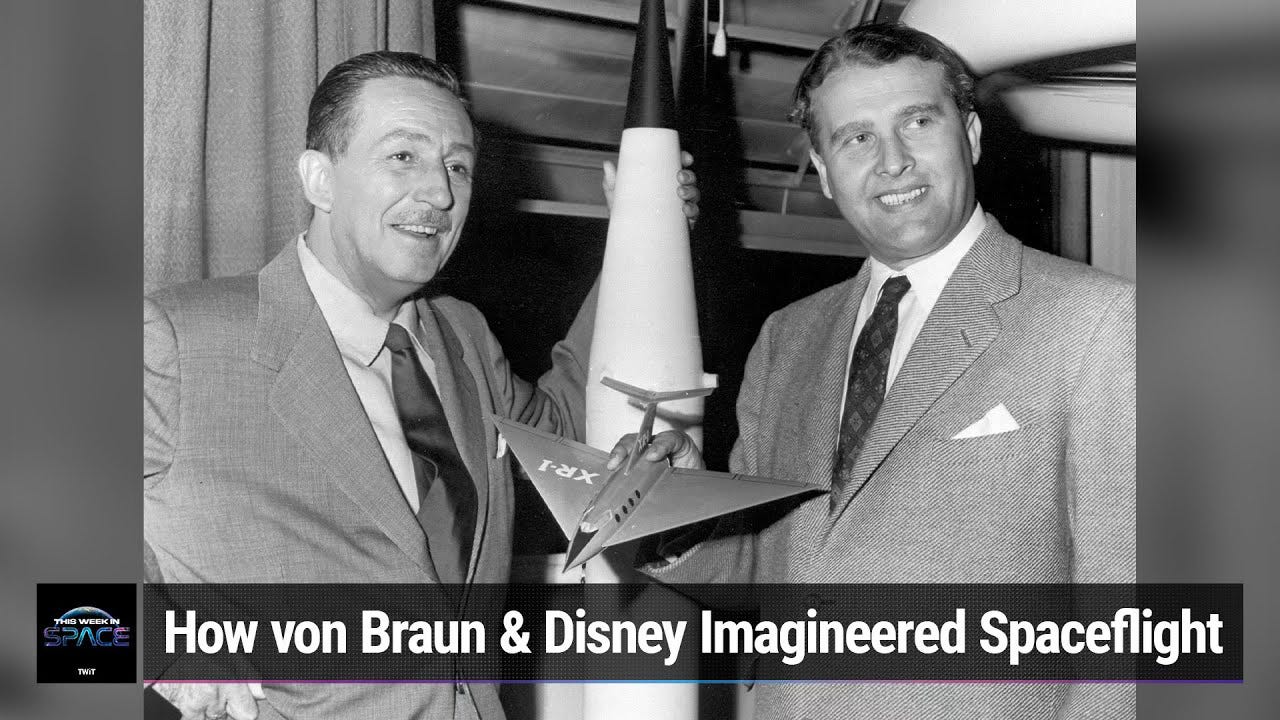
Then came the space age. During the 1950s, Disney became deeply involved in promoting the public fascination with outer space and rocket technology. In 1955, Disney released Man in Space, an episode of the Disneyland television series produced in collaboration with rocket engineer Wernher von Braun. Von Braun, a former German scientist brought to America under Operation Paperclip, became one of the most influential figures in America’s space program. Disney helped present him to the American public not as a former member of a war machine, but as a visionary guiding mankind into the future. Millions of Americans were introduced to the coming “space age” through Disney productions, blending science fiction, futurism, government narratives, and childlike wonder into one unified message.
For critics of the modern space narrative, this partnership raises enormous questions. Disney didn’t merely entertain children with fantasy. The company actively participated in shaping public perception regarding space exploration, rocket technology, and the future of humanity itself. The merging of Disney imagination with NASA-style futurism blurred the line between fantasy and reality in the minds of generations raised on these productions. Fantasy became indistinguishable from scientific authority. Storytelling became a delivery system for worldview formation. Walt Disney played a major role in psychologically preparing the public to accept the “fake moon landing” as a real event on July 20, 1969.
Even the creation of Disney World in Florida revealed the hidden machinery operating behind the cheerful image. Disney secretly acquired massive amounts of land through shell corporations to avoid public scrutiny and prevent land prices from rising before construction. Small, unknown companies quietly purchased parcels of land across central Florida until the scale of the operation finally became known. To some, this was simply a clever business strategy. To others, it revealed how immense corporate power operates behind layers of secrecy while presenting a wholesome public face.
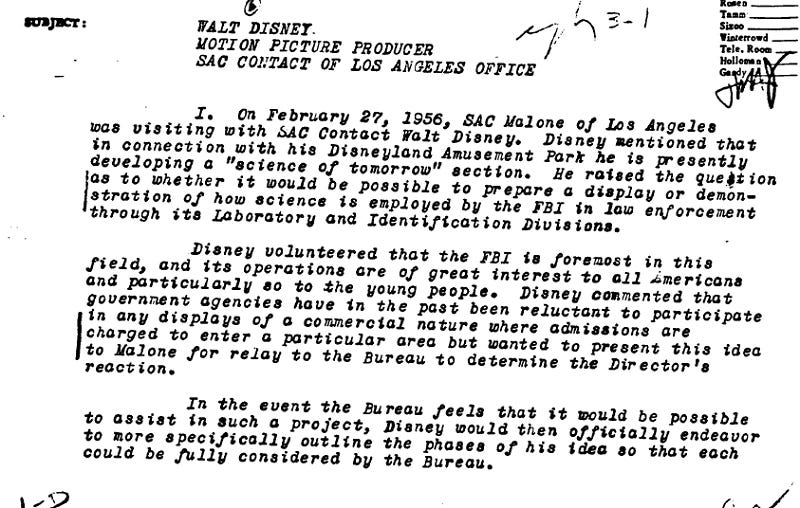
Questions surrounding Disney’s relationship with intelligence agencies only intensified over time. In 1993, The New York Times reported that Walt Disney had served as an informant for the FBI, maintaining a cooperative relationship with J. Edgar Hoover. Disney reportedly provided information to federal authorities while simultaneously benefiting from FBI cooperation and approval regarding film projects. The relationship between Hollywood and intelligence agencies has long fueled public suspicion, especially when entertainment becomes intertwined with national messaging, patriotism, psychological influence, and ideological shaping.
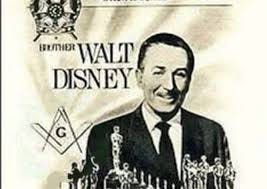
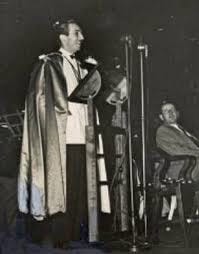
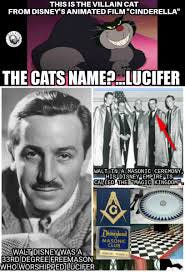
Adding another layer to the story is Disney’s involvement with Freemasonry through the Order of DeMolay. Walt Disney openly credited the organization with shaping his life and character. DeMolay itself is a Masonic-sponsored youth organization tied historically to the traditions and symbolism of Freemasonry. Disney joined the organization in Kansas City in 1920 and remained proud of his involvement throughout his life. For Christians, Freemasonry raises serious spiritual concerns because of its secretive rituals, symbolic systems, oaths, and religious syncretism. While defenders dismiss these concerns as harmless fraternity traditions, critics see a deeper spiritual influence embedded within elite cultural institutions.
Disney would go on to become one of the single greatest storytellers in modern history, shaping the imagination of children worldwide through tales saturated with magic, sorcery, spells, enchantments, fairies, wizards, necromancy, talking spirits, and supernatural power divorced from the authority of God. From fairy godmothers to enchanted castles, from sorcerers to magical kingdoms, Disney normalized the occult not as something dangerous or spiritually corrupting, but as something beautiful, empowering, whimsical, and morally neutral. What Scripture repeatedly warns against became family entertainment.
The Bible does not treat witchcraft as harmless fantasy. Scripture consistently connects sorcery and occult practices with rebellion against God. Galatians 5:19–21 lists witchcraft among the works of the flesh. Deuteronomy 18:10–12 warns against divination, enchantments, familiar spirits, and sorcery, calling them abominations before the Lord. Yet modern culture trains children to admire magicians, sympathize with witches, and celebrate supernatural power outside the framework of biblical truth. Disney did not invent this trend, but it undeniably helped normalize it on a worldwide scale.
That is what makes this discussion larger than cartoons or amusement parks. Disney became one of the most influential cultural catechisms of the modern age. It taught generations how to think about magic, authority, technology, fantasy, morality, government, and even reality itself. Beneath the music, castles, fireworks, and nostalgia lies a powerful machine of storytelling capable of shaping the minds of millions. Christians should at least be willing to ask difficult questions about what messages have been embedded beneath the surface of the entertainment they were taught never to question.
For decades, researchers and media critics have discussed the strange psychological effect of motion pictures and television on the human mind. Traditional film has historically been projected at roughly 24 frames per second, while modern video standards operate near 24.97 or 29.97 FPS, depending on the format. Critics of mass media influence argue that these frame rates create a dreamlike state in the viewer, lowering critical resistance and increasing emotional absorption into the story being presented. The darkened room, glowing screen, rapid image succession, synchronized sound, emotional music, and uninterrupted visual focus all combine to create an immersive experience where the audience temporarily suspends rational analysis and emotionally bonds with the narrative. Whether one calls it hypnosis, conditioning, or psychological immersion, the effect is undeniable: viewers often become deeply emotionally attached to fictional worlds, characters, and messages delivered through moving images.
This becomes especially concerning when entertainment is saturated with occult themes, spiritual inversion, rebellion against biblical authority, or the glorification of magic and supernatural power apart from God. Scripture repeatedly warns believers to guard both the heart and mind because what enters through the eyes and ears eventually shapes thought, behavior, and belief. Proverbs 4:23 says, “Keep thy heart with all diligence; for out of it are the issues of life.” Modern media does not merely entertain; it shapes beliefs, values, and behavior. It trains emotional responses, normalizes ideas, and gradually reshapes what society considers acceptable, desirable, or harmless. When children spend countless hours immersed in worlds where witchcraft is heroic, spells solve problems, and mystical power is celebrated, Christians should not be shocked when biblical warnings about sorcery begin to sound “old-fashioned” to the next generation.
Look honestly at the pattern. This is not one isolated movie or a rare fantasy theme appearing occasionally over the course of a century. Magic, sorcery, spellcasting, enchantments, curses, necromancy, communication with spirits, supernatural power, mystical bloodlines, witches, and occult symbolism form one of the central pillars of the entire Disney empire. Generation after generation of children have been conditioned into seeing witchcraft not as rebellion against God, but as wonder, empowerment, destiny, self-discovery, and heroism. The Bible warns against sorcery repeatedly, yet modern entertainment has spent decades repackaging it as wholesome family fun.
Fantasia helped cement this foundation early. The famous Sorcerer’s Apprentice sequence presents Mickey Mouse stepping into forbidden magical power he cannot control, animating objects through spells and supernatural force. The imagery is mesmerizing, dreamlike, and deeply occult in symbolism. The Sword in the Stone introduced generations of children to Merlin, the wise old wizard archetype that would later dominate modern fantasy storytelling. Magic is not portrayed as dangerous deception. It is portrayed as wisdom, guidance, and enlightenment. The Sorcerer’s Apprentice modernized this exact theme, surrounding viewers with magical relics, spellbooks, mystical rings, and ancient sorcery presented as a thrilling adventure. Onward openly mourns a world where magic has been “forgotten,” encouraging viewers to reconnect with mystical power and ancient wizardry as something beautiful that modern society supposedly lost.
Then came the fairy tales and curses that built Disney’s global reputation. Snow White and the Seven Dwarfs revolves around a talking magic mirror, potions, transformations, and occult deception. Sleeping Beauty centers entirely on curses and dark supernatural power through the character of Maleficent, one of Disney’s most iconic villains. Even when evil magic is technically opposed in the story, the audience remains immersed in spellcasting, enchantments, dragons, mystical ceremonies, and supernatural warfare for nearly the entire film. Beauty and the Beast transforms human beings and household objects through magical curses. The Little Mermaid introduces children to Ursula the Sea Witch, who uses contracts, spells, potions, and manipulative occult power. Tangled goes even further, centering the entire narrative around magical healing powers and eternal youth through Rapunzel’s enchanted hair. The occult theme is not peripheral. It’s foundational to the plot itself.
Disney repeatedly returns to witches and spellcasters because the supernatural has become one of the company’s most profitable storytelling engines. Hocus Pocus turned literal witches into lovable comedic icons for an entire generation. Salem witchcraft was transformed from historical darkness into seasonal entertainment, complete with merchandising and nostalgia. Bedknobs and Broomsticks normalized broomstick-riding witches and spellcasting as a charming adventure. The Princess and the Frog openly incorporates voodoo practices, spirit-channeling symbolism, talismans, shadow entities, and occult ritualism through Dr. Facilier, while balancing it with “good magic” through Mama Odie. Scripture never presents occult power as morally neutral, regardless of intent. Yet modern entertainment constantly divides magic into “good” and “bad” categories, conditioning audiences to accept spiritual practices God condemned outright. Halloweentown openly celebrates discovering one’s hidden identity as a witch, framing occult inheritance as empowerment and destiny.
Modern Disney productions continue the same trajectory with updated packaging. Frozen centers on Elsa’s innate magical abilities, portraying supernatural power as something to embrace rather than fear. The famous anthem “Let It Go” became more than a song; for many, it became a philosophy of self-liberation detached from restraint or authority. Aladdin revolves around magical lamps, supernatural beings, wishes, and mystical powers that grant human desires. Encanto centers on magical gifts and supernatural family abilities as the core of identity and purpose. Mary Poppins disguises impossible supernatural abilities beneath cheerful whimsy and nostalgia. Peter Pan literally teaches children that belief itself unlocks magical flight through pixie dust. Coco builds its emotional core around communication between the living and the dead, spiritual bridges, ancestral interaction, and a mystical afterlife structure that is entirely detached from biblical truth.
By themselves, many people dismiss these films as harmless fantasy. But when viewed collectively, a clear pattern emerges. Disney has spent nearly a century saturating the minds of children with occult imagery while softening cultural resistance to witchcraft, magic, sorcery, spiritism, curses, enchantments, and supernatural power outside the authority of God. The danger is not merely that children watch fantasy. The danger is repetition, over decades. Repetition shapes familiarity, familiarity lowers defenses, and lowered defenses eventually normalize what previous generations would have recognized immediately as spiritually dangerous.
Scripture does not speak ambiguously on these matters. Deuteronomy 18 condemns witchcraft, sorcery, divination, charmers, familiar spirits, and necromancers. Isaiah 8:19 warns against seeking out mediums and wizards. Acts 19 records new believers publicly burning occult books after coming to Christ. Galatians 5 lists witchcraft among the works of the flesh that separate man from God. Yet modern entertainment culture has done the opposite: it celebrates these practices, markets them to children, sells merchandise around them, and builds billion-dollar franchises from them.
This is larger than cartoons. Larger than movies. Larger than nostalgia. It is about spiritual conditioning. Disney helped create a culture where magic no longer alarms people, where sorcery appears emotionally comforting, and where occult themes are woven into childhood so early that many cannot even recognize them anymore. The enemy rarely introduces darkness in a terrifying form at first. More often than not, it arrives smiling, singing, colorful, emotional, funny, and wrapped in innocence.
Some researchers and alternative historians have long pointed to the very name “Hollywood” itself as symbolically revealing. According to old European folklore and occult traditions, holly wood was believed to possess magical properties and was sometimes associated with protective rituals, wand-making, and spellcasting across various pagan traditions. Whether every historical claim surrounding holly wood can be fully verified or not, the symbolism is difficult to ignore when viewed alongside the entertainment industry’s obsession with illusion, enchantment, fantasy, ritual imagery, and psychological influence. The very place that became the worldwide headquarters for mass media and imagination bears a name associated in folklore with magical power and control.
Hollywood operates through modern sorcery in a different form—not necessarily through cauldrons and broomsticks, but through imagery, repetition, emotional manipulation, symbolism, celebrity worship, hypnotic storytelling, and mass psychological conditioning. Ancient witchcraft often involved chants, potions, rituals, symbols, and altered states designed to influence perception and behavior. Modern media accomplishes many of the same goals through screens, music, visual immersion, emotional attachment, and narrative repetition. Instead of gathering around a fire to hear the village sorcerer, millions now gather around glowing screens to absorb the worldview handed to them by entertainers, corporations, and cultural architects.
That is why Hollywood’s constant fascination with magic, supernatural power, spiritual rebellion, hidden knowledge, and occult imagery shouldn’t be dismissed as a coincidence. The industry understands the spiritual power of storytelling. Stories bypass defenses. They plant ideas emotionally before they are examined intellectually. A child may reject a sermon in seconds, but sit mesmerized for two hours absorbing themes of witchcraft, rebellion, self-deification, or spiritual ambiguity without questioning any of it. That is influence.
The enemy has always counterfeited what belongs to God. God uses symbols, worship, music, story, sacrifice, truth, and spiritual transformation. Satan imitates each of those things with corrupted substitutes. The kingdom of darkness understands the power of imagination because imagination shapes desire, and desire eventually shapes belief and behavior. This is why believers are repeatedly warned to guard their minds, their eyes, and their hearts. The fight is not merely political or cultural; it’s spiritual. The battle for children begins long before adulthood. It begins in what they celebrate, admire, laugh at, sing about, and emotionally connect with during their earliest years.
Hollywood may appear glamorous on the surface, but beneath the lights, red carpets, and fantasy worlds lies a machine that relentlessly shapes values and beliefs across the earth. Christians should not approach that influence casually. Scripture says in Ephesians 5:11, “And have no fellowship with the unfruitful works of darkness, but rather reprove them.” The danger of deception is that it rarely appears ugly at first glance. More often than not, it arrives as attractive, comforting, nostalgic, magical, and emotionally irresistible.
The battle for the minds of children didn’t begin with smartphones or social media. It began long ago through stories, symbols, music, imagery, and repetition. Hollywood became one of the most powerful engines of cultural influence in human history precisely because it understood something Scripture warned about thousands of years ago: what people continually see, hear, and meditate upon eventually shapes their desires, beliefs, and moral boundaries. Entertainment is never “just entertainment.” Every film carries assumptions about good and evil, truth and deception, power and identity, God and rebellion. Children absorb those messages long before they possess the maturity to filter them through discernment.
That is why Christians cannot afford to treat witchcraft lightly, simply because it’s wrapped in humor, music, sentimentality, or childhood nostalgia. The modern entertainment industry has spent decades removing the fear and seriousness surrounding the occult. Witches are now funny, sorcerers are wise, and magic is empowering. Spells are playful, and spirit guides are comforting. Darkness has been softened through familiarity until many believers no longer recognize how aggressively occult themes dominate modern media. Satan doesn’t always attack through obvious horror or open blasphemy. More often, he works through gradual desensitization. A little compromise, amusement, and curiosity. A little exposure repeated over and over until resistance disappears.
The Bible never presents the occult as harmless curiosity. When God warned Israel against sorcery, divination, familiar spirits, enchantments, and witchcraft, He was protecting them from spiritual corruption that begins subtly and grows deeper over time. The danger is not only participation in rituals themselves. The danger is learning to admire what God condemned. It’s learning to emotionally bond with darkness through stories, characters, and imagination. Children are especially vulnerable because fantasy bypasses intellectual defenses and speaks directly to wonder, emotion, and identity formation. A child who spends years cheering for witches, spellcasters, and magical rebels is being trained—whether intentionally or not—to view the supernatural apart from God as attractive rather than dangerous.
Hollywood understands the power of emotional attachment better than most churches do. The goal is not merely to entertain audiences for two hours. The goal is to shape culture itself. Entire generations now instinctively defend occult themes because they were emotionally introduced to them in childhood through beloved films and characters. Criticism of those themes feels “mean” or “extreme” to many people because nostalgia has emotionally protected the very things Scripture warned against.
Evil rarely introduces itself openly. It rarely arrives announcing, “I’m here to destroy your discernment.” Instead, it appears beautiful, harmless, funny, emotional, empowering, or enlightened. Genesis 3 did not begin with open violence. It began with a conversation and a question. A subtle reframing of what God had said. Satan has always specialized in disguise. Second Corinthians 11:14 warns that “Satan himself is transformed into an angel of light.” That verse alone should make believers cautious about blindly consuming media that glorifies supernatural power while removing God from the center of it.
This is ultimately a spiritual war for the hearts and minds of the next generation. Parents who would never allow occult books, tarot cards, or witchcraft manuals into their homes often permit endless streams of occult symbolism through entertainment because it arrives packaged as “family-friendly.” Yet the source material remains the same: spells, enchantments, spirit contact, magical power, divination, curses, and rebellion against divine authority. Christians are called to discernment, not passive consumption. The issue is not fear; the issue is obedience. God’s warnings exist because spiritual darkness is real, deception is real, and the minds of children are precious.
No parent wants to rob their children of joy, wonder, imagination, or happy memories. We love our children deeply. We want them to laugh, to dream, to experience innocence, and to enjoy life. Love is not passive. Love discerns danger before danger fully reveals itself. A parent would never knowingly hand poison to a child simply because the bottle looked colorful or harmless. In the same way, Christians cannot ignore spiritual influence simply because it arrives wrapped in music, nostalgia, humor, or childhood emotion. Once you begin to see the themes, the repetition, the symbolism, and the normalization of witchcraft throughout modern entertainment, silence becomes harder to justify.
The issue is not whether every cartoon instantly corrupts a child or whether every viewer consciously embraces the occult. The issue is far deeper: what are we teaching children to admire? What are we training them to emotionally connect with? Scripture never tells believers to flirt with darkness carefully. It tells us to reject it. Romans 12:9 says, “Abhor that which is evil; cleave to that which is good.” First Thessalonians 5:22 commands believers to “Abstain from all appearance of evil.” Deuteronomy 18:10–12 leaves no room for ambiguity regarding witchcraft, sorcery, divination, or familiar spirits. God condemned these practices because they open doors to spiritual deception and rebellion against Him.
Too many Christians today have adopted the attitude that if something is popular, nostalgic, or socially accepted, it must therefore be harmless. But the truth is not determined by popularity. Entire societies can normalize darkness over time through repetition and emotional conditioning. Isaiah 5:20 warns, “Woe unto them that call evil good, and good evil.” That verse feels painfully relevant in a culture where sorcery is marketed to children, rebellion is celebrated as empowerment, and supernatural power apart from God is treated as beautiful entertainment.
Remaining silent is not enough anymore. Quietly refusing to spend money on certain entertainment while never warning others accomplishes very little when entire generations are being brainwashed by media corporations. Christians are called to speak truth boldly, lovingly, and without compromise. Ephesians 5:11 does not merely say to avoid darkness privately. It says, “And have no fellowship with the unfruitful works of darkness, but rather reprove them.” That means exposing them, warning others. Exercising discernment publicly, even when it’s unpopular.
The modern church has often become so afraid of appearing judgmental that it refuses to confront obvious spiritual corruption staring it directly in the face. Meanwhile, Hollywood continues shaping the minds of millions of children every single day. If believers will not protect the next generation spiritually, who will? If parents will not discern what enters their homes, who will? Deception thrives where discernment is absent.
This is not a call to fear. It’s a call to holiness. A call to remember that the minds and hearts of children are sacred gifts entrusted to parents by God. Jesus said in Matthew 18:6 that it would be better for a man to have a millstone tied around his neck and be drowned in the sea than to offend one of these little ones who believe in Him. That’s how seriously God takes the spiritual protection of children.
The world will mock discernment. They will call it extreme, or an overreaction. But Scripture repeatedly warns that the last days would be marked by deception, spiritual confusion, and the corruption of truth. Christians were never called to blend comfortably into a corrupt culture. We were called to stand apart from it.
“Be sober, be vigilant; because your adversary the devil, as a roaring lion, walketh about, seeking whom he may devour.” — 1 Peter 5:8
The fight for your child’s mind is real. The fight for their heart is real. The fight for their soul is real. And in a generation drowning in distraction, fantasy, and spiritual confusion, parents must once again become watchmen at the gate.
It has crossed my desk that Hollywood is a 100% military construct and through that lens Disneyland is the model where privlaged access is granted with the Lightning Lane Premier Pass, if you can't pay, there is a jail at Disneyland today otherwise called a freedom city coming to a strategic Hamlet near you.
Disney has always been after the children's minds, by the Grace of God l see it now but back in the day sadly l let my children watch these movies thinking they were just lovely children's stories, how wrong l was.
A very interesting and insightful read George , keep up the amazing work you do .